1320x Http.txt Apr 2026

Analyse your recordings
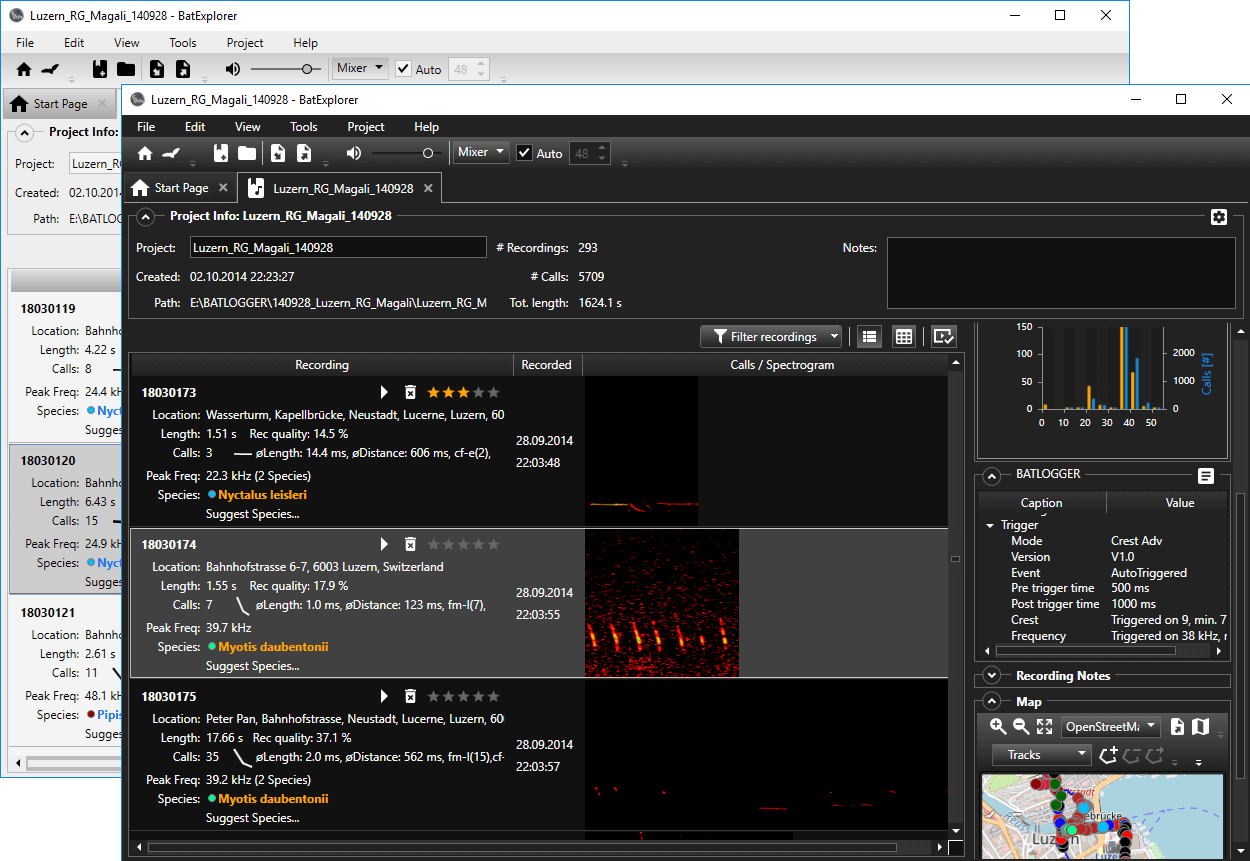
Organize recordings easily and fast
Automatic bat call detection
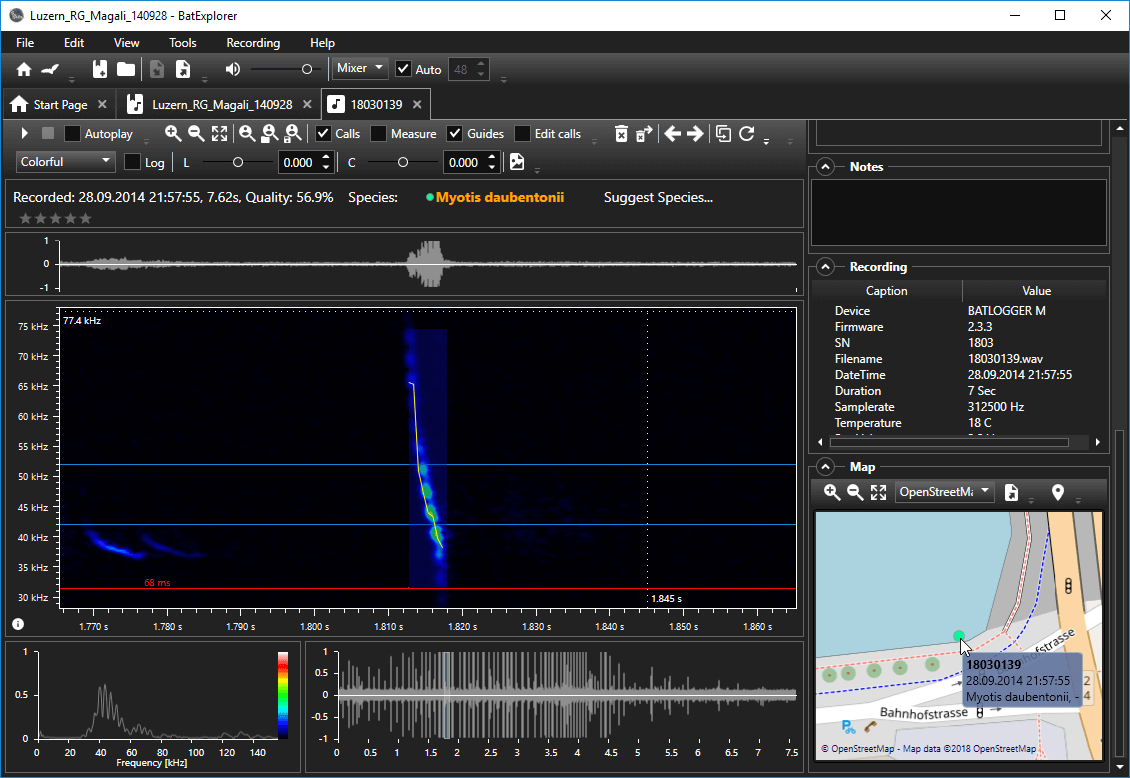
Listening, viewing and classifying recordings
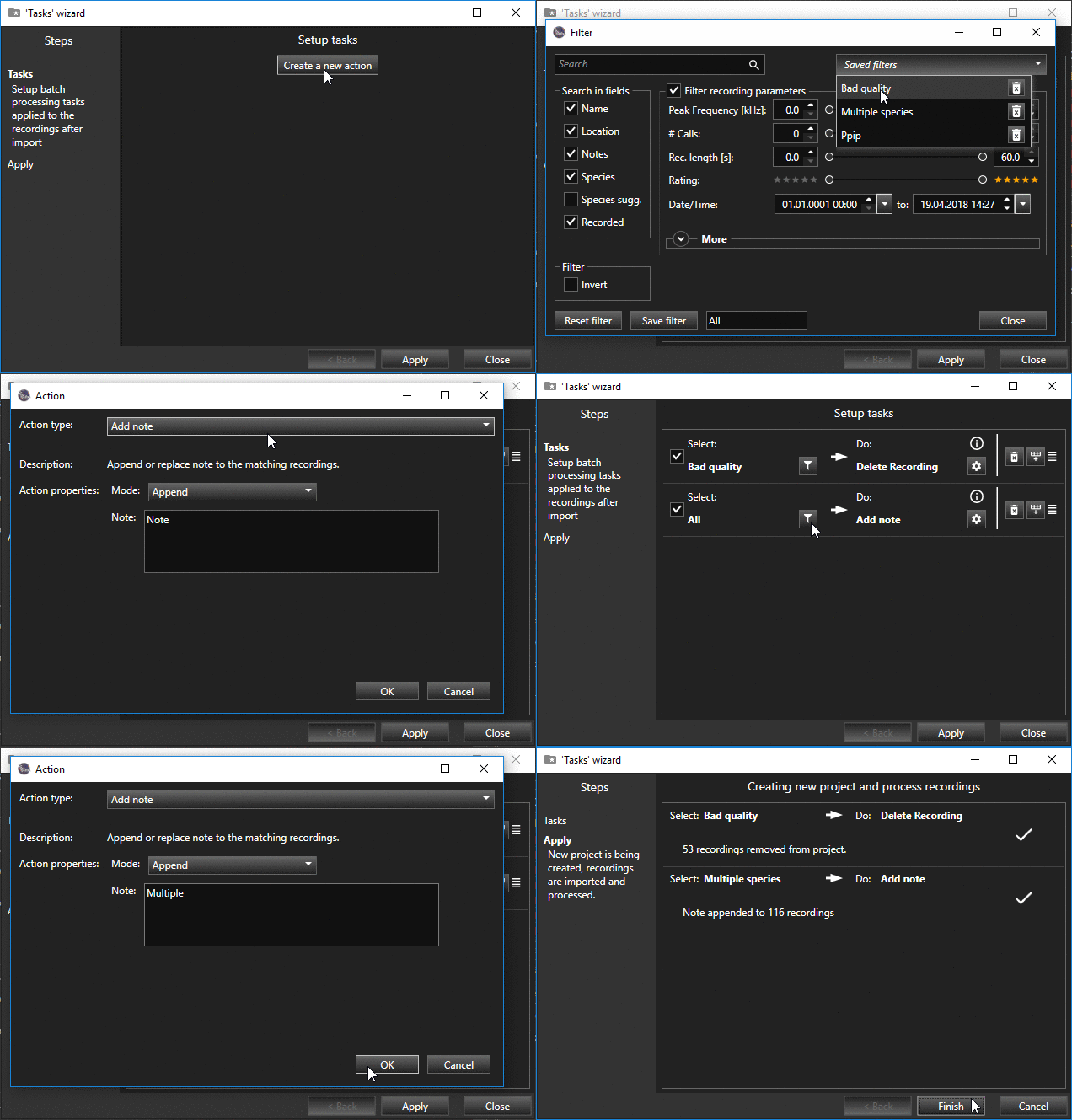
Automate recurring actions with tasks
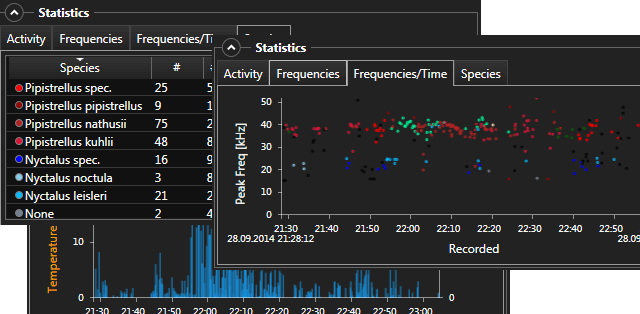
Bat species suggestions
Organize recordings easily and fast
Automatic bat call detection
Listening, viewing and classifying recordings
Automate recurring actions with tasks
Bat species suggestions
If you have your 1320x HTTP.txt file ready, you can easily load and rotate these proxies using the requests library:
This specific filename usually refers to a list of . In the context of web traffic: 1320x : Represents the quantity of entries in the file.
: The standard format for easy integration into software like Selenium, Puppeteer, or custom Python scripts. Why use a pre-formatted proxy list? 1320x HTTP.txt
If you’ve spent any time in the world of web automation or data scraping, you’ve likely run into files with names like 1320x HTTP.txt . While they might look like random text files, they are actually essential tools for maintaining anonymity and bypassing rate limits during large-scale data collection. What exactly is "1320x HTTP.txt"?
While "1320x HTTP.txt" appears to be a specific filename, it is most commonly associated with or combo lists used in web scraping, automated testing, or cybersecurity research . These files typically contain approximately 1,320 entries (IP addresses or account credentials) formatted for easy import into various tools. If you have your 1320x HTTP
Streamlining Your Scraping: How to Use "1320x HTTP.txt" Proxy Lists
: Specifies the protocol. Unlike SOCKS proxies, HTTP proxies are designed specifically for web-based traffic (browsing and scraping). Why use a pre-formatted proxy list
import requests import random # Load the proxies from your file with open('1320x HTTP.txt', 'r') as f: proxy_list = [line.strip() for line in f] def get_data(url): # Pick a random proxy from the 1,320 available proxy = random.choice(proxy_list) proxies = { "http": f"http://{proxy}", "https": f"http://{proxy}", } try: response = requests.get(url, proxies=proxies, timeout=5) return response.text except: print(f"Proxy {proxy} failed. Trying another...") return None Use code with caution. Copied to clipboard A Quick Security Warning
More information about the software can be found in the Online User Guide.