iSergiwa

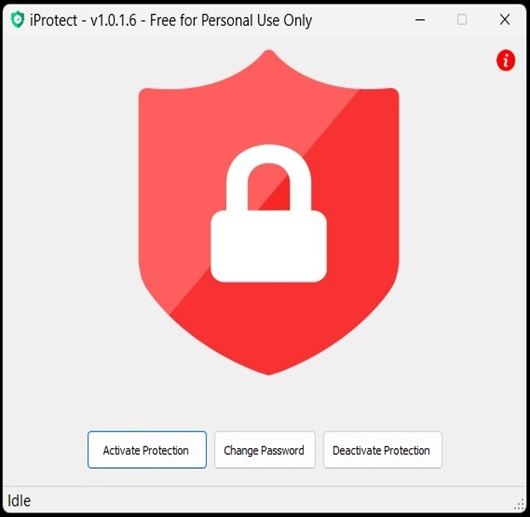
A suite of antivirus detection and removal tools that undoes the changes performed by malware, giving you back full control over your system.
The flowers are arranged in a dense, spike-like terminal inflorescence (the "spike") that rises above the basal leaves. The flowers themselves are small (approximately 6mm long) and primarily violet or light purple, though they can range from blue to lavender.
Besseya alpina is pollinated by insects, including native bees, which are attracted to its nectar-rich flowers. It is considered a pollinator-friendly species. Taxonomy and Naming
Flowering occurs in the summer, typically starting in late July and continuing into early August, depending on how quickly the snow melts in its habitat. Its dense, low-growing form helps it take advantage of ground-level warmth and avoid damaging high-altitude winds.
The foliage forms a basal rosette, with thick, leathery, dark green to grey-green blades that are 2-5 cm long. The leaf margins are gently toothed or wavy (crenate). The stems and young leaves are often heavily covered in fine, white, woolly hairs, which act as a defense against cold and water loss.
In 2004, researchers proposed merging Besseya and Synthyris into the larger genus Veronica (the speedwells). Therefore, the plant is sometimes referred to as Veronica besseya , though the name Besseya alpina remains widely used in field guides. Cultivation and Gardening
The flowers are arranged in a dense, spike-like terminal inflorescence (the "spike") that rises above the basal leaves. The flowers themselves are small (approximately 6mm long) and primarily violet or light purple, though they can range from blue to lavender.
Besseya alpina is pollinated by insects, including native bees, which are attracted to its nectar-rich flowers. It is considered a pollinator-friendly species. Taxonomy and Naming besseya alpina
Flowering occurs in the summer, typically starting in late July and continuing into early August, depending on how quickly the snow melts in its habitat. Its dense, low-growing form helps it take advantage of ground-level warmth and avoid damaging high-altitude winds. The flowers are arranged in a dense, spike-like
The foliage forms a basal rosette, with thick, leathery, dark green to grey-green blades that are 2-5 cm long. The leaf margins are gently toothed or wavy (crenate). The stems and young leaves are often heavily covered in fine, white, woolly hairs, which act as a defense against cold and water loss. It is considered a pollinator-friendly species
In 2004, researchers proposed merging Besseya and Synthyris into the larger genus Veronica (the speedwells). Therefore, the plant is sometimes referred to as Veronica besseya , though the name Besseya alpina remains widely used in field guides. Cultivation and Gardening
A suite of antivirus detection and removal tools that undoes the changes performed by malware, giving you back full control over your system.
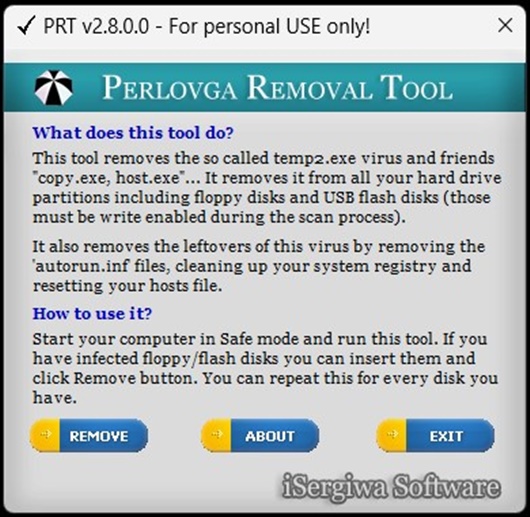
A user-friendly and portable piece of software that helps you remove the Perlovga virus from your computer and delete its leftovers.
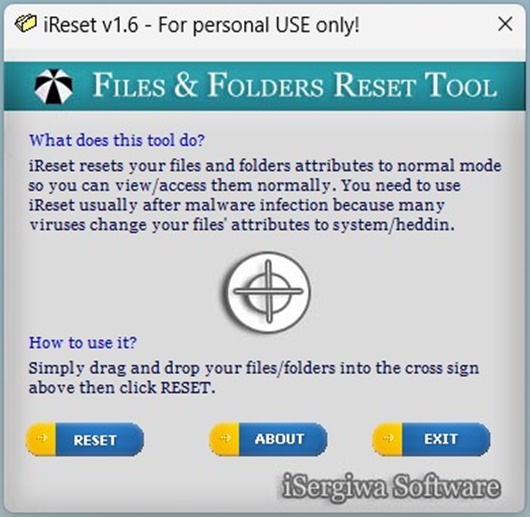
A tool that resets your Files/Folders attributes to normal mode so you can view/access them normally.

A tool that repairs Windows Safe Mode and gives you back the full control over your computer.
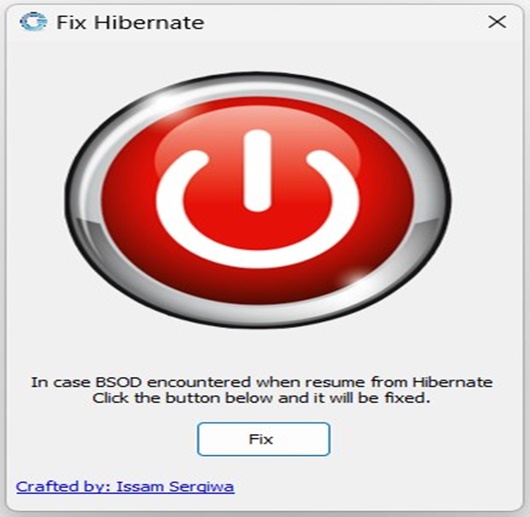
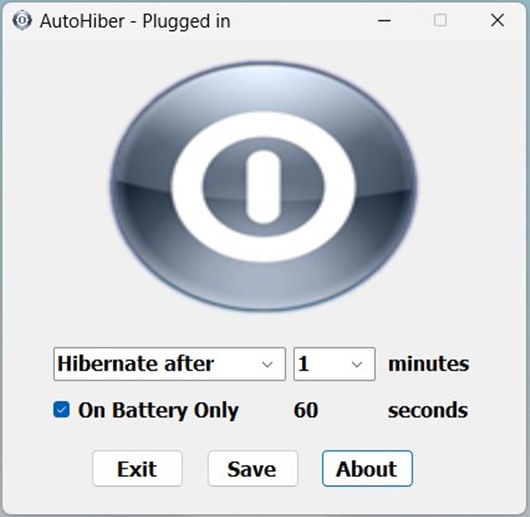
In case a BSOD encountered whenever you resume from hibernate, use this handy tool to fix it.