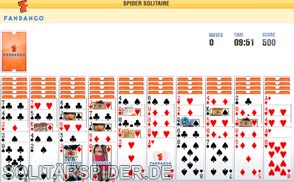
 Fandango
 Wespe
Wespe
 Spiderette
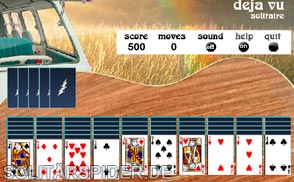 Deja Vu
 Windows
Door | Glass
In home design, glass doors serve as the bridge between the curated interior and the wild exterior.
Double-glazed doors can block out city sirens while keeping the view.
New glass doors use UV patterns invisible to humans but bright to birds to prevent collisions. Glass door
Natural light exposure through glass helps regulate sleep and mood.
The transparency of a glass door is more than just a design choice; it’s a psychological and cultural statement about how we perceive space, privacy, and trust. The Invisible Barrier: How Glass Doors Change Our Minds In home design, glass doors serve as the
Large sliding glass doors create "indoor-outdoor living," making small rooms feel infinite.
Walking toward a glass door feels different than approaching a heavy oak panel. One invites a gaze; the other demands a knock. Throughout history, the evolution of the glass door has mirrored our shifting desire for openness—moving from the secretive corridors of Victorian manors to the ultra-transparent "fishbowl" offices of Silicon Valley. The Office "Fishbowl" Effect Natural light exposure through glass helps regulate sleep
Constant motion in the peripheral vision can drop productivity by 15%.