: Grouped by textbook section for easy reference.
: Provides detailed, step-by-step worked solutions for self-study.
While the manual is most commonly associated with the 4th edition (published in 1998), it remains useful for later versions of the textbook as many core principles remain unchanged.
is a popular study manual by Kenneth C. Smith, designed to accompany the textbook Microelectronic Circuits by Adel S. Sedra and Kenneth C. Smith. Often referred to by students as "KC's," the manual provides hundreds of additional practice problems—distinct from those in the main textbook—to help learners master circuit analysis and design through "active learning". Key Features of the Manual
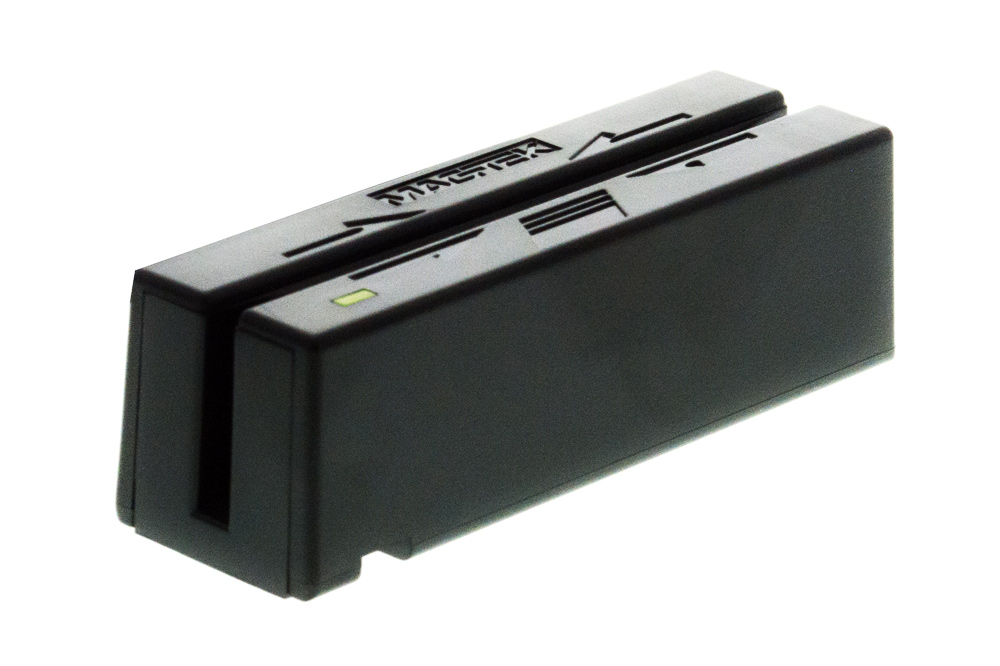
Multiple Interface Options
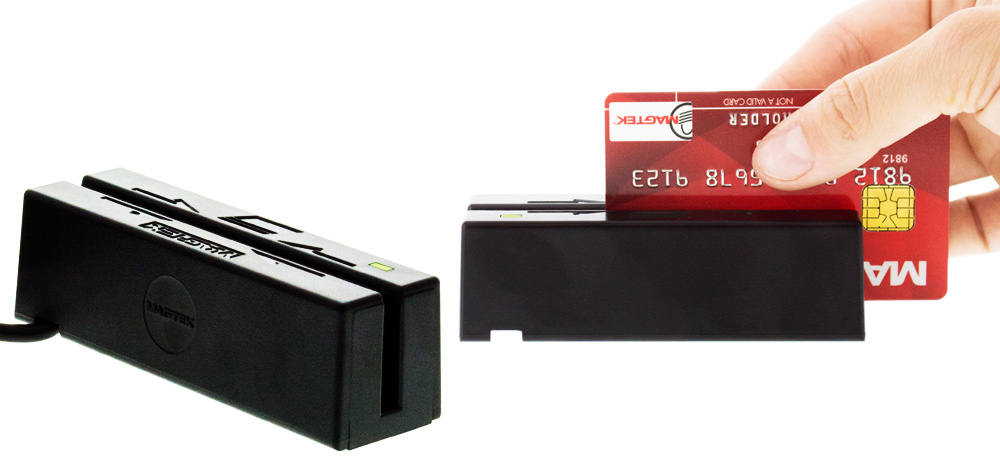
USB Keyboard Emulation, USB HID or Port Powered RS232.

Reliable
The Mini offers the highest possible read reliability and the highest specification MTBF in the industry. KC's problems and solutions for Microelectronic...

Flexible
Mount with self-mounting adhesive strips or using the embedded threaded mounting points. : Grouped by textbook section for easy reference
| Current | USB: normal 30 mA; Suspend mode 300 uA RS-232: Quiescent 1-2 mA typical (continuous), transmitting 8-9 typical (5ms duration), peak at power on 12 mA |
| USB & RS-232 Size |
Length: 3.94” (100.0mm) Width: 1.28” (32.5mm) Height: 1.23” (31.3mm) |
| USB & RS-232 Weight |
Weight: 4.5 oz. (127.57 g) |
| TTL 100 mm Size |
Length: 3.94" (100 mm) Height: 1.23" (31.3mm) Width: 1.28" (32.5mm) |
| TTL 101 mm Size |
Length: 4.0" (101.6 mm) Height: 1.08" (27.4 mm) Width: 1.62" (41.1 mm) |
| Temperature | |
| Operating | -30 °C to 70 °C (-22 °F to 158 °F) |
| Storage | -40 °C to 70 °C (-40 °F to 158 °F) |
| Humdity | |
| Operating | 10% to 90% noncondensing |
| Storage | 10% to 90% noncondensing |
| Altitude | |
| Operating | 0-10,000 ft. (0-3048 m.) |
| Storage | 0-50,000 ft. (0-15240 m.) |
: Grouped by textbook section for easy reference.
: Provides detailed, step-by-step worked solutions for self-study.
While the manual is most commonly associated with the 4th edition (published in 1998), it remains useful for later versions of the textbook as many core principles remain unchanged.
is a popular study manual by Kenneth C. Smith, designed to accompany the textbook Microelectronic Circuits by Adel S. Sedra and Kenneth C. Smith. Often referred to by students as "KC's," the manual provides hundreds of additional practice problems—distinct from those in the main textbook—to help learners master circuit analysis and design through "active learning". Key Features of the Manual