Snake_dance -
On the morning of the final dance, snakes are ritually washed in jars of water and herbs before being placed in a kisi (a cottonwood shrine) in the village plaza. The Public Performance
Due to historical issues with illegal photography and a lack of respect for sacred traditions, the Hopi have largely closed the Snake Dance to the general public. It remains an essential, private pillar of Hopi religious life, preserving an ancestral pact with nature that has survived for centuries. The Real Reason for the Hopi Snake Dance | Ancient Origins snake_dance
The (also known as Tsu'tiki or Tsu'tiva ) is a sacred and ancient 16-day ritual performed by the Hopi people of northeastern Arizona. Rooted in deep spiritual traditions, the ceremony is a dramatized prayer for rain, agricultural fertility, and communal harmony. It is primarily conducted biennially in late August by members of the Snake and Antelope clans . Cultural and Spiritual Significance On the morning of the final dance, snakes
Dancers typically work in groups of three: a carrier who holds a live snake (often in their mouth), a hugger who strokes the snake with an eagle-feather whip to keep it calm, and a gatherer who retrieves the snakes once they are released on the ground. The Real Reason for the Hopi Snake Dance
Dancers often wear red kilts with black zigzag patterns (representing snakes) and smear their bodies with clay. The ceremony is accompanied by deep, rhythmic chanting and the shaking of gourd rattles.
The ceremony involves extensive private and public preparations spanning roughly two weeks.
Contrary to outside perceptions of "snake worship," the Hopi view snakes as "elder brothers" and messengers to the spirit world.
Последние обзоры
Смотреть все-
Самый компактный MagSafe-повербанк? Обзор Baseus PicoGo AM31
-
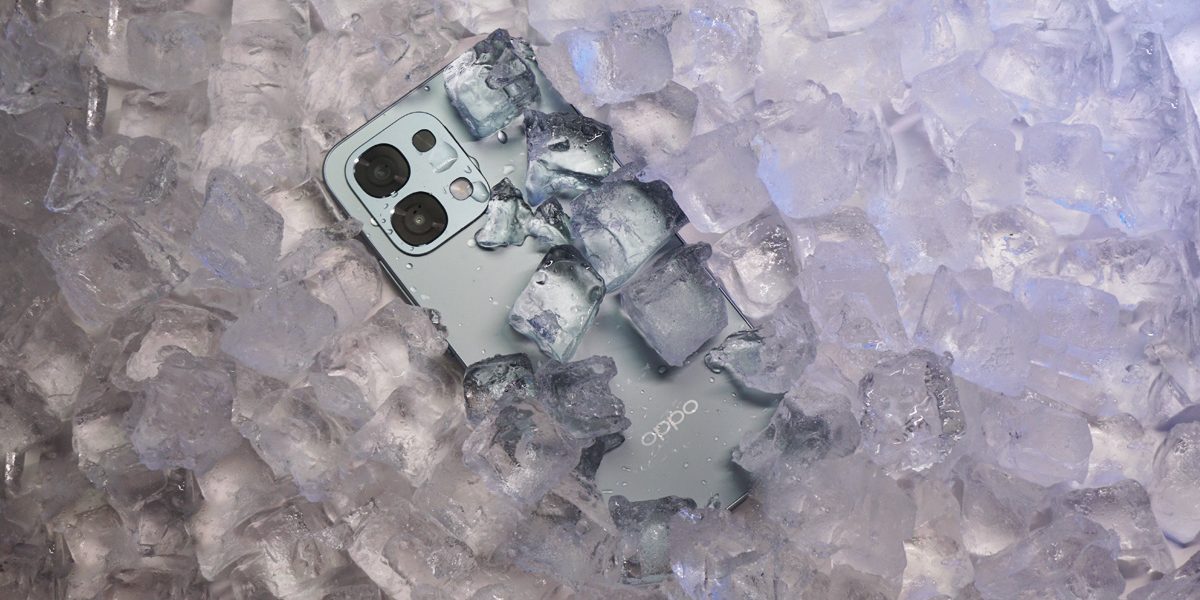
Обзор OPPO A6 Pro: сутки в ледяной капсуле
-
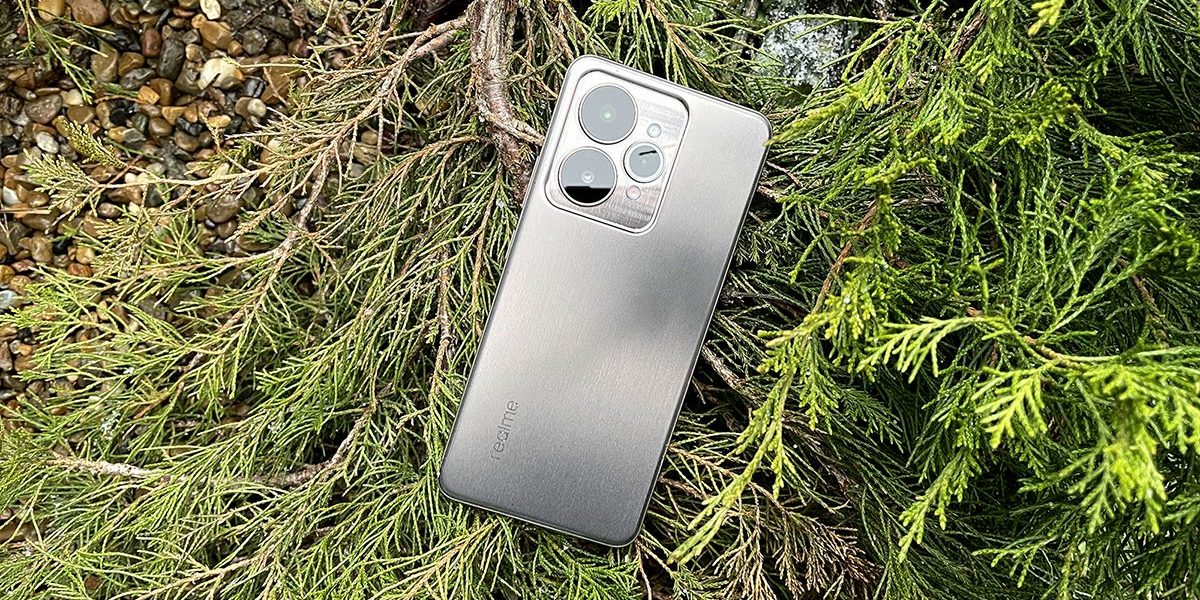
Обзор Realme 15 5G: новый хит или очередной середняк?
-
Обзор Xiaomi 15T: неужели он действительно лучше многих флагманов?
-
Обзор Яндекс Станция 3: играет светом не хуже звука
-
Обзор вытяжки Gorenje WHI649X21P: что важно знать перед покупкой