: The film heavily employs split-screen effects and multi-dynamic image techniques (popularized by films like The Thomas Crown Affair ) to display several panes of action at once.
: To capture the feel of 1967, driving scenes use intentionally obvious rear projection , and camera movements are kept simple to avoid modern Steadicam or crane looks. OSS 117: Lost in Rio image
: Cinematographer Guillaume Schiffman used a "flattened-out" lensing technique and a muted blue-brown-maroon color palette to evoke the look of a yellowing '60s postcard. : The film heavily employs split-screen effects and
A standout feature of is its meticulous, high-effort recreation of 1960s Eurospy cinema aesthetics . Rather than just telling jokes, the film uses specific vintage filmmaking techniques to parody the era's style: A standout feature of is its meticulous, high-effort
: Shot on 35mm film (Kodak Vision2) using an anamorphic process, it maintains a native 2.35:1 widescreen aspect ratio —a hallmarks of the "Scope" thrillers of that time.
: The visual language explicitly parodies Alfred Hitchcock —including a climax atop the Christ the Redeemer statue that riffs on North by Northwest and Vertigo .
: The film heavily employs split-screen effects and multi-dynamic image techniques (popularized by films like The Thomas Crown Affair ) to display several panes of action at once.
: To capture the feel of 1967, driving scenes use intentionally obvious rear projection , and camera movements are kept simple to avoid modern Steadicam or crane looks.
: Cinematographer Guillaume Schiffman used a "flattened-out" lensing technique and a muted blue-brown-maroon color palette to evoke the look of a yellowing '60s postcard.
A standout feature of is its meticulous, high-effort recreation of 1960s Eurospy cinema aesthetics . Rather than just telling jokes, the film uses specific vintage filmmaking techniques to parody the era's style:
: Shot on 35mm film (Kodak Vision2) using an anamorphic process, it maintains a native 2.35:1 widescreen aspect ratio —a hallmarks of the "Scope" thrillers of that time.
: The visual language explicitly parodies Alfred Hitchcock —including a climax atop the Christ the Redeemer statue that riffs on North by Northwest and Vertigo .
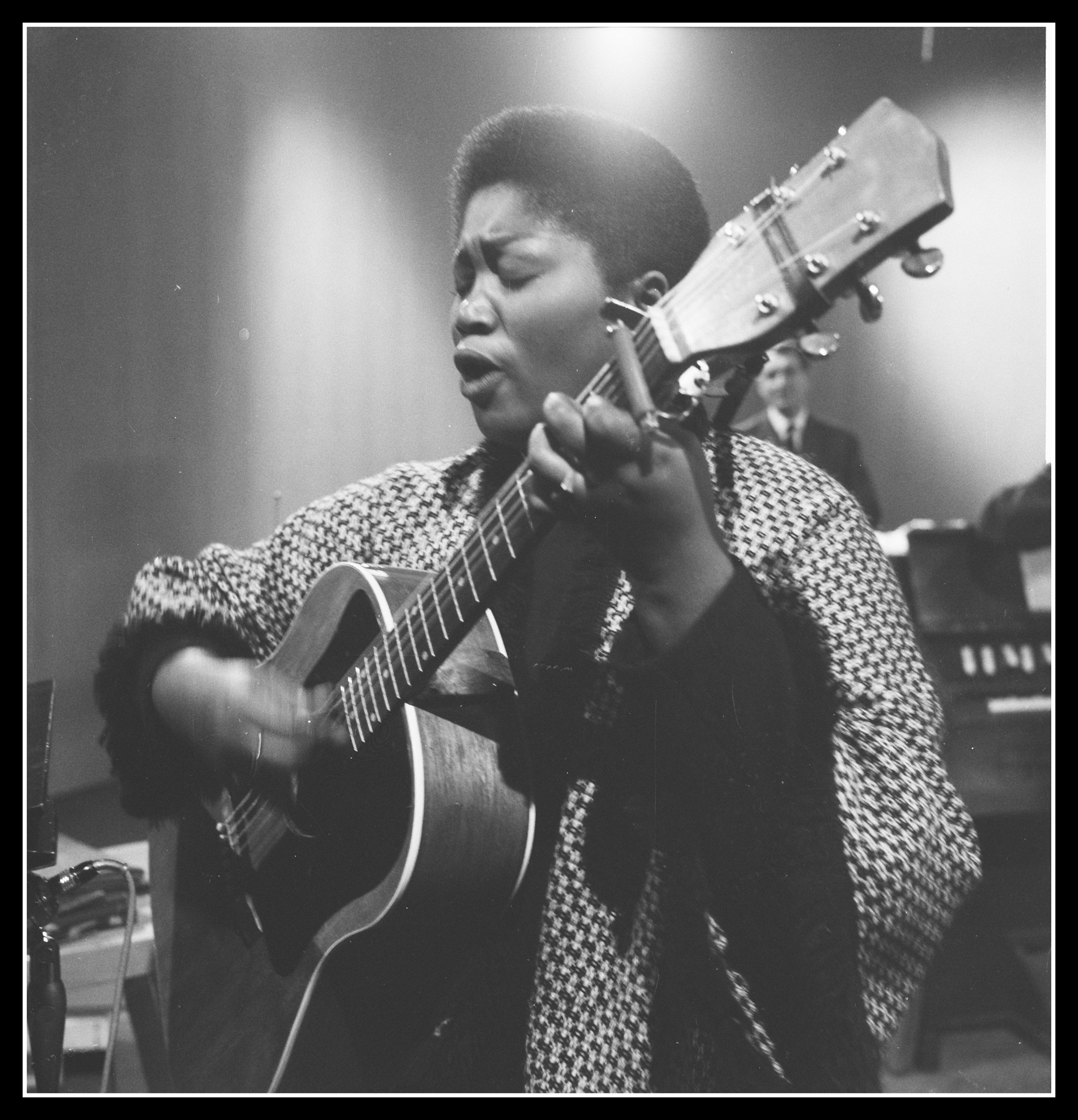
Odetta was one of the defining voices of American folk music. Though she had been trained in classical music, she was drawn to spirituals, work songs, traditional ballads, and blues. These songs told the stories of true life – of struggle and of those who overcame oppression. Odetta used her theater training and deep resonant voice to bring these messages to life. Her work inspired later artists like Bob Dylan and Joan Baez, served as a soundtrack for the social reforms of the 1960s, and led to her honorary title as “The Voice of the Civil Rights Movement” and “The Queen of Folk Music.
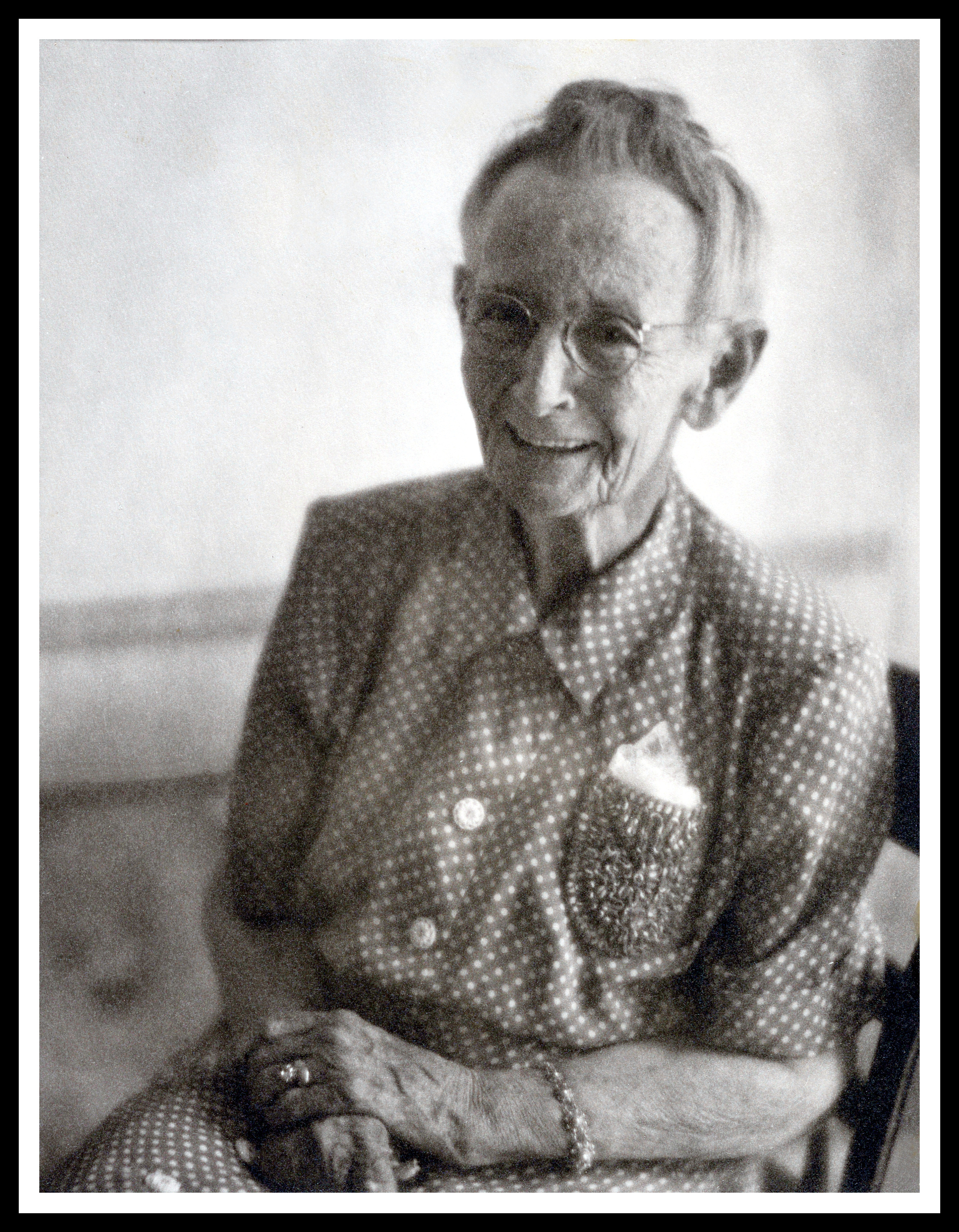
Anna Mary Moses spent the last twenty years of her life as a beloved and celebrated artist after a hobby became an occupation in the most astonishing way.
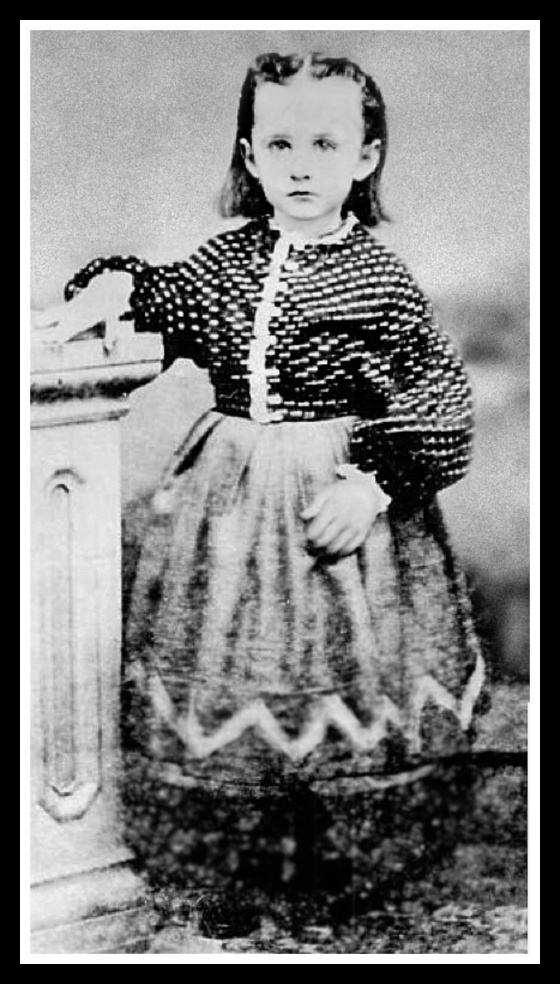
Anna Mary Moses was born when Abraham Lincoln was president and died when John Kennedy was; she lived through one Civil, and two World wars, and was one of the first women in the US to legally vote. Because her life was so full, she didn’t take up painting as her primary hobby until she was in her 70s, and was on a rocketship of world fame as a celebrated artist until she was in her 80s.