

When you see a string like _urjvzip , you’re seeing the "gears" of the internet. It’s a reminder that behind every clean, user-friendly interface is a complex network of unique addresses and encoded instructions keeping the digital gears turning smoothly.
Identifiers like these generally fall into a few technical categories:
In a massive application with thousands of files, two developers might both use the name active-button . A unique, generated ID ensures no two elements ever fight over the same instructions.
You might wonder why a developer wouldn't just name something header-style instead of _urjvzip .
Most of the time, humans aren't writing these. They are generated by "compilers"—tools that translate high-level code into the most efficient version possible for a browser to read. The Bottom Line
Decoding the Digital Fingerprint: Understanding Unique Identifiers like _urjvzip
Databases generate unique keys to ensure that "Product A" in one table never gets confused with "Product B" in another.
Some modern web frameworks (like CSS Modules or Tailwind) "mangle" or obfuscate class names during the build process to keep the code lightweight and prevent styling conflicts. Why not just use "Normal" names?
Встречайте НОВИНКУ - электронную швейную машину нового поколения Leader Easy Jeans 35ET с больш.. _urjvzip
Janome EL 230 предлагает возможности компьютерной настройки и хороший баланс функциональности и цены.. A unique, generated ID ensures no two elements
When you see a string like _urjvzip , you’re seeing the "gears" of the internet. It’s a reminder that behind every clean, user-friendly interface is a complex network of unique addresses and encoded instructions keeping the digital gears turning smoothly.
Identifiers like these generally fall into a few technical categories:
In a massive application with thousands of files, two developers might both use the name active-button . A unique, generated ID ensures no two elements ever fight over the same instructions.
You might wonder why a developer wouldn't just name something header-style instead of _urjvzip .
Most of the time, humans aren't writing these. They are generated by "compilers"—tools that translate high-level code into the most efficient version possible for a browser to read. The Bottom Line
Decoding the Digital Fingerprint: Understanding Unique Identifiers like _urjvzip
Databases generate unique keys to ensure that "Product A" in one table never gets confused with "Product B" in another.
Some modern web frameworks (like CSS Modules or Tailwind) "mangle" or obfuscate class names during the build process to keep the code lightweight and prevent styling conflicts. Why not just use "Normal" names?


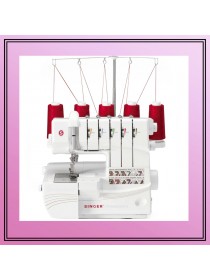





-280x350.png "Швейная машина Easy Jeans 35ET")
-280x350.png)
-280x350.png)
-280x350.png)
-280x350.png)
-280x350.png)
-280x350.png)
-280x350.png)
-280x350.png)
-280x350.png)
-280x350.png)
-280x350.png)
-280x350.png)
-280x350.png)
-280x350.png)